Inside Korea Global Sourcing Week 2025
What Korean manufacturers revealed about global supply chains, K-Beauty opportunities, and how international entrepreneurs can tap into one of the world's most innovative export markets.

Kashif Ibraheem
Marketing Agency Founder · Dubai, UAE
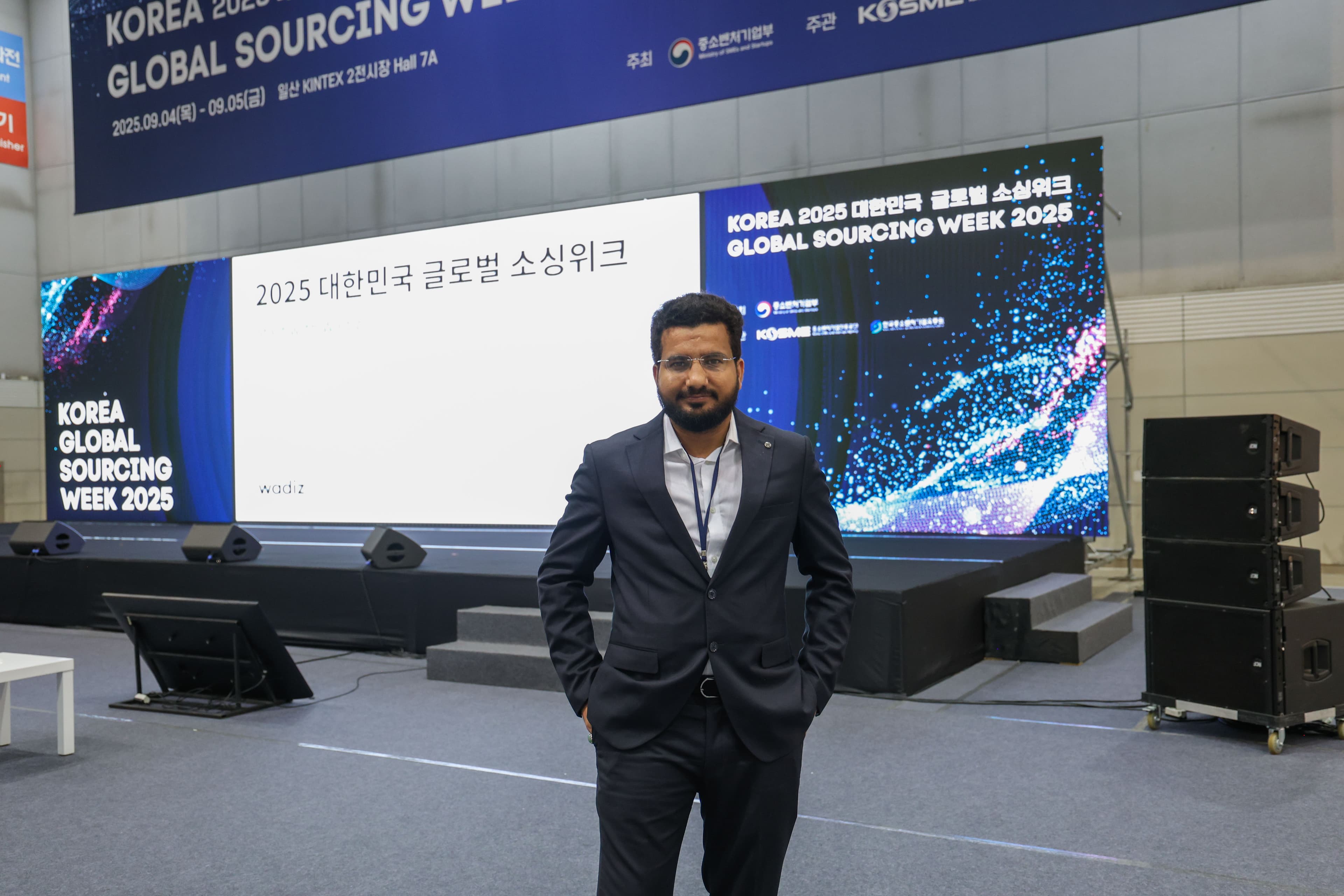
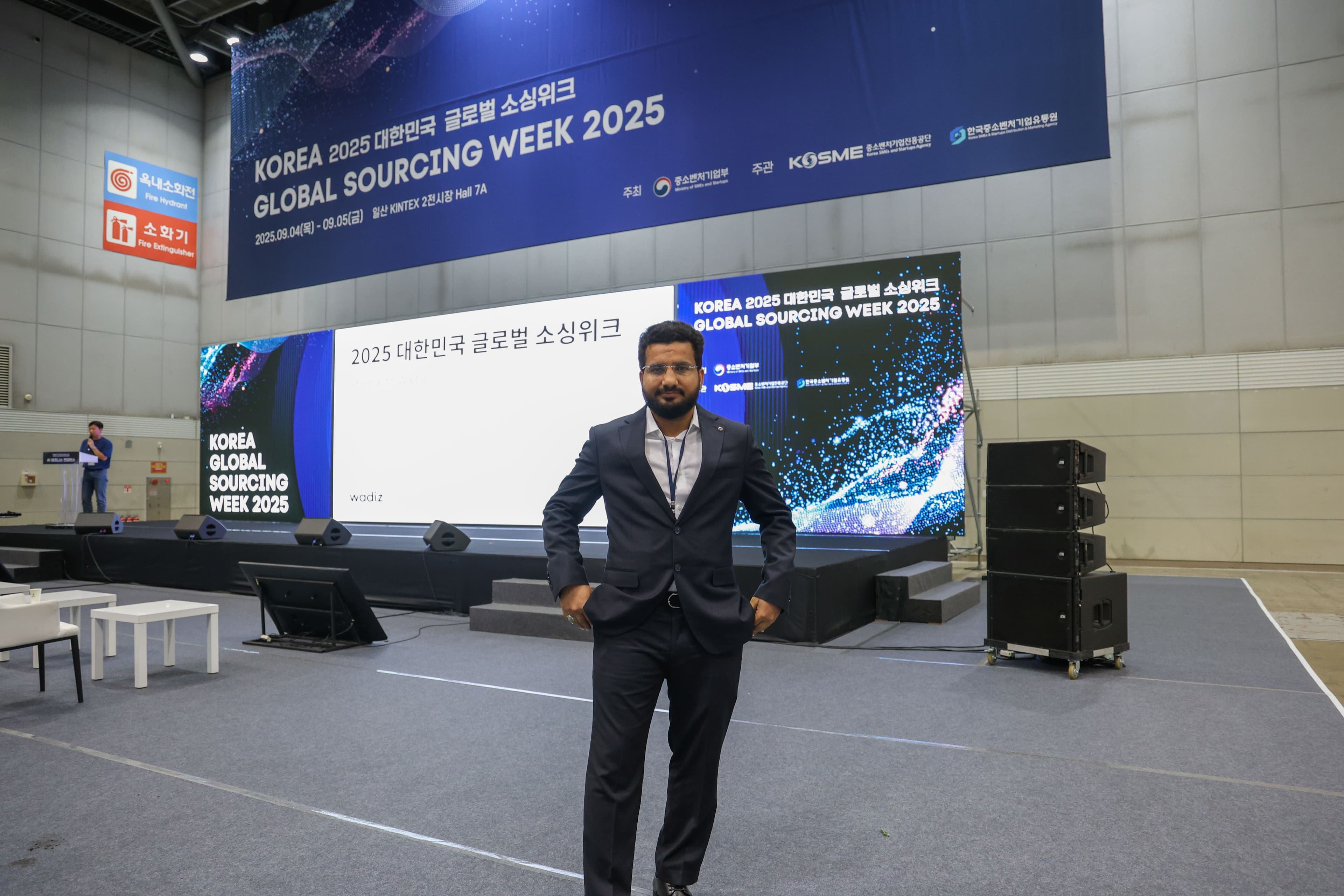
Seoul in September has a specific kind of energy — efficient, ambitious, and moving fast. Korea Global Sourcing Week 2025 matched that energy perfectly. Two days at KINTEX Hall 7A, hundreds of manufacturers, and one of the most eye-opening business experiences I've had in years.
This was an official Ministry of SMEs and Startups event — which tells you immediately that this wasn't a casual trade show. The Korean government actively backs its manufacturers in reaching international buyers. That backing shows in the quality of exhibitors, the seriousness of the conversations, and the depth of products on display.
Why Korea, why now
For anyone running e-commerce stores — whether on Amazon, TikTok Shop, or regional platforms like Noon — sourcing is everything. Your margin, your differentiation, your ability to scale all trace back to where and how you source products.
Korea has been on my radar for a while, specifically for K-Beauty and skincare. The category is exploding globally — not just in Asia but across the UAE, USA, UK, and Europe. Consumers trust Korean formulations. They seek out Korean brands. And more importantly, they pay a premium for them.
I flew to Seoul to see the manufacturing side first-hand. I wanted to meet the factories, understand minimum order quantities, talk pricing, and figure out what it actually takes to build a private label skincare line sourced directly from Korea.
What I found on the floor
The exhibition was dense with serious manufacturers — not middlemen, not trading companies. These were the actual factories. Skincare, haircare, health supplements, cosmetic tools, packaging companies — all under one roof, all open to international partnerships.
What surprised me most was the openness to private label. Many of the manufacturers I spoke to already supply major global brands but actively want to work with independent sellers and growing e-commerce businesses. The MOQs (minimum order quantities) were far more accessible than I expected — some starting as low as 500 units for certain product categories.
The quality standards are another level entirely. Korea's cosmetics regulatory framework is one of the strictest in the world, which means products that pass Korean standards are already pre-validated for most international markets. That's a massive advantage when selling in the UAE or EU where compliance matters.
The K-Beauty opportunity nobody is talking about
Everyone talks about K-Beauty as a trend. Very few people are actually building businesses around it systematically. Here's what I mean:
- Korean manufacturers are actively looking for distribution partners in the Middle East — it's a market they want to crack but don't have direct reach into yet.
- The gap between Korean factory pricing and what consumers pay in the UAE or UK is significant — there's real margin to build a sustainable business.
- TikTok Shop is particularly powerful for K-Beauty content. The aesthetic, the storytelling, the before/after format — it's built for this category.
The entrepreneurs who move on this now — before it becomes saturated — will be the ones who build category-defining brands in the next three to five years.
Conversations that changed my thinking
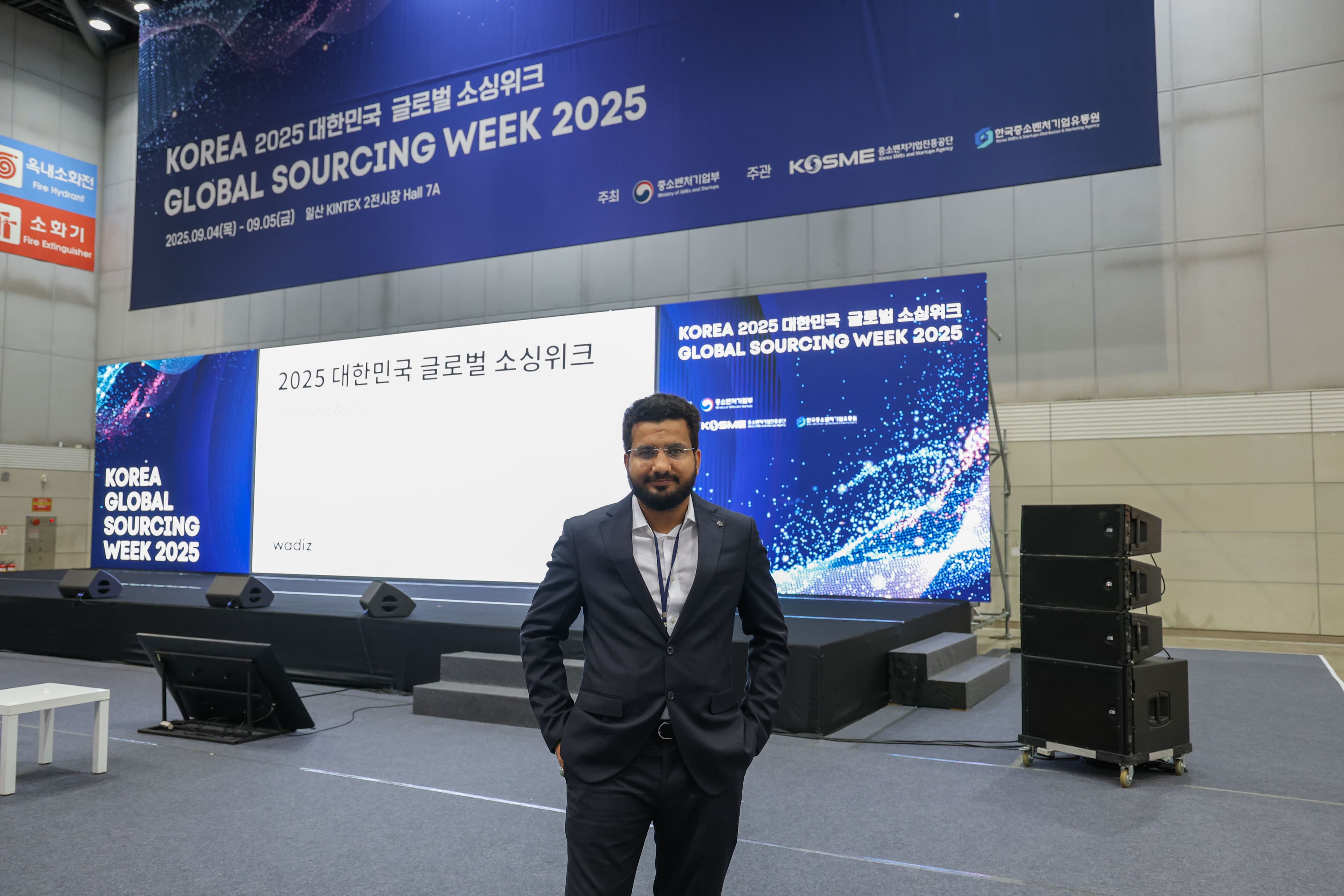
Some of the most valuable moments weren't at booths — they were in hallway conversations with other international buyers. Entrepreneurs from Germany, the UAE, Japan, and Brazil all in the same building, all looking at the same factories, all trying to figure out the same thing: how do you build a defensible product business in a world where Amazon keeps raising the bar?
The answer I kept hearing: brand before product. The manufacturers can make the product. What they can't do is build the story, the community, and the trust. That's where operators like us come in.
Korea taught me that the sourcing game isn't just about price — it's about finding partners who make products worth building a brand around. And there are many here who qualify.
What I'm doing with this
I came back from Seoul with manufacturer contacts, product samples, and a much clearer picture of what it takes to launch a K-Beauty private label line. The next steps for me are:
- Test a small initial order across 2-3 hero SKUs — skincare products with proven demand in the UAE and UK markets.
- Build the brand identity before the product arrives — name, packaging direction, content strategy on TikTok and Instagram.
- Use my existing e-commerce infrastructure on Amazon and Noon to launch fast once the first shipment lands.
Korea Global Sourcing Week wasn't just a sourcing trip. It was a reminder that the best business opportunities are rarely found scrolling a screen — they're found in rooms where serious people are doing serious things.
If you're thinking about sourcing from Korea, building a K-Beauty brand, or expanding your e-commerce operation into new product categories — I'm happy to share what I learned. Reach out.
Kashif Ibraheem
Marketing Agency Founder based in Dubai, UAE. I build brands that generate leads, drive sales and scale globally across five markets.