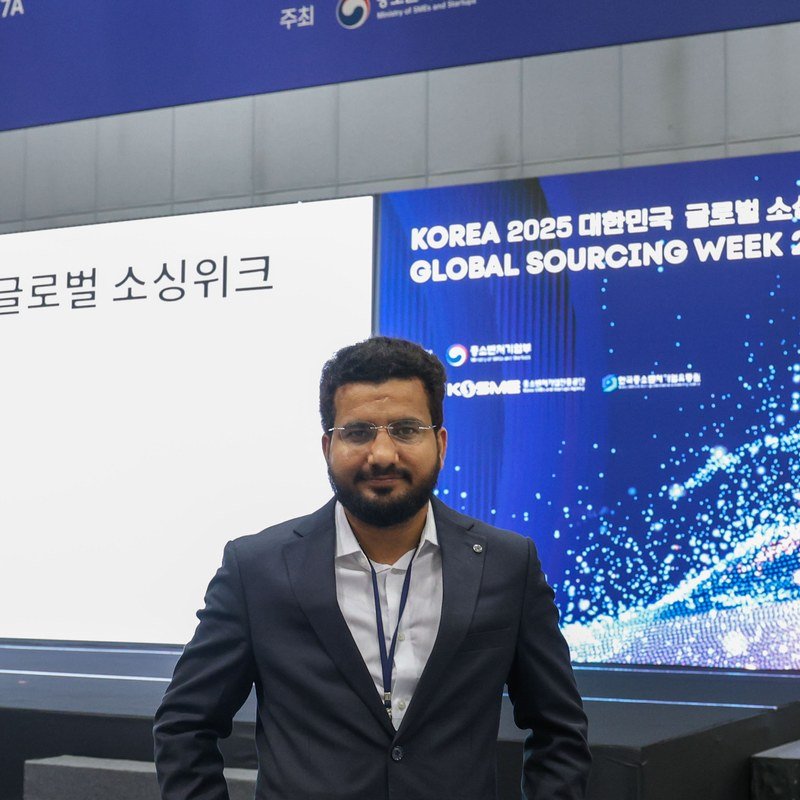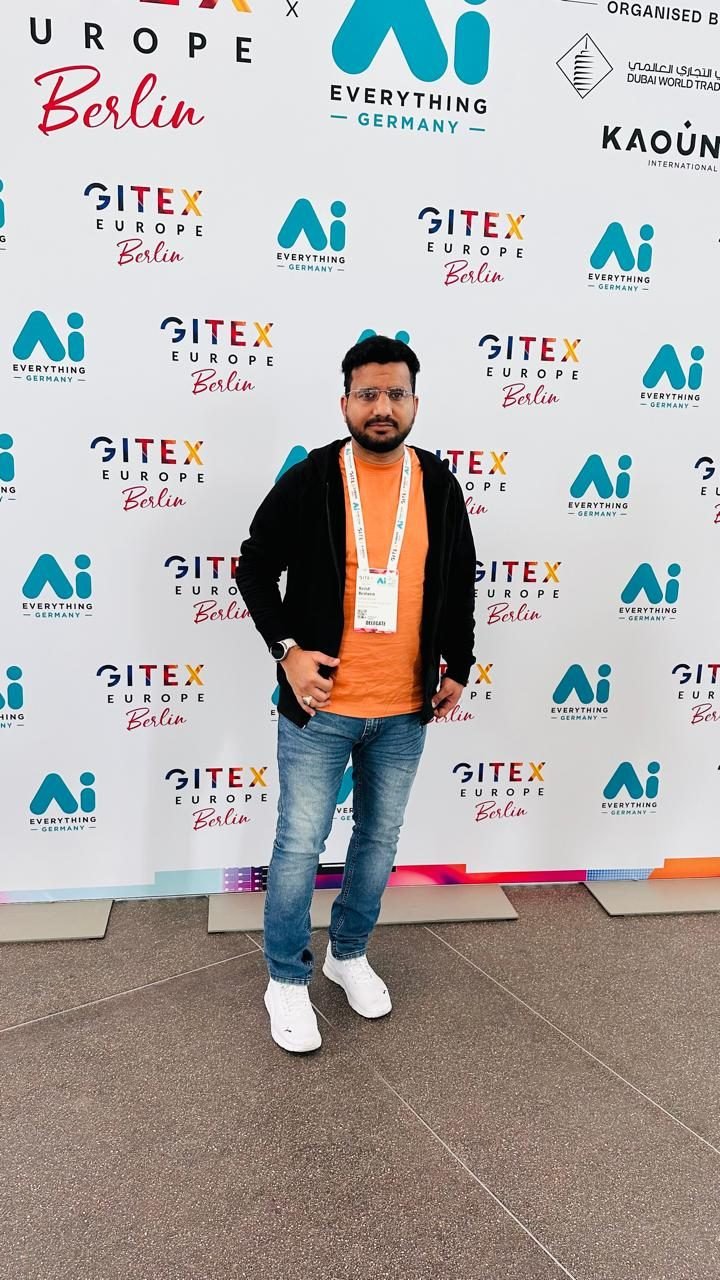
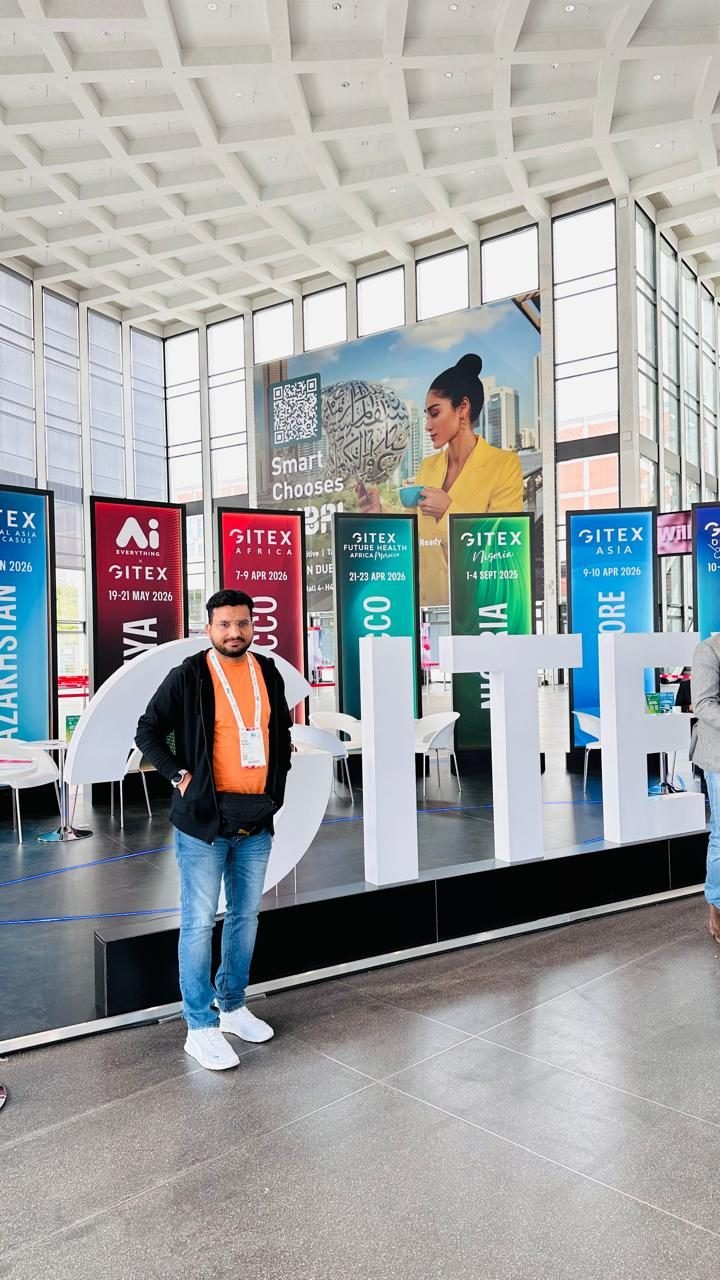
In June 2025, I attended GITEX Europe Berlin — the inaugural European edition of the world's largest tech and digital business event. Three days at Messe Berlin, surrounded by 40,000 attendees and 1,400 exhibitors, gave me a real-time view of where digital business is heading next.
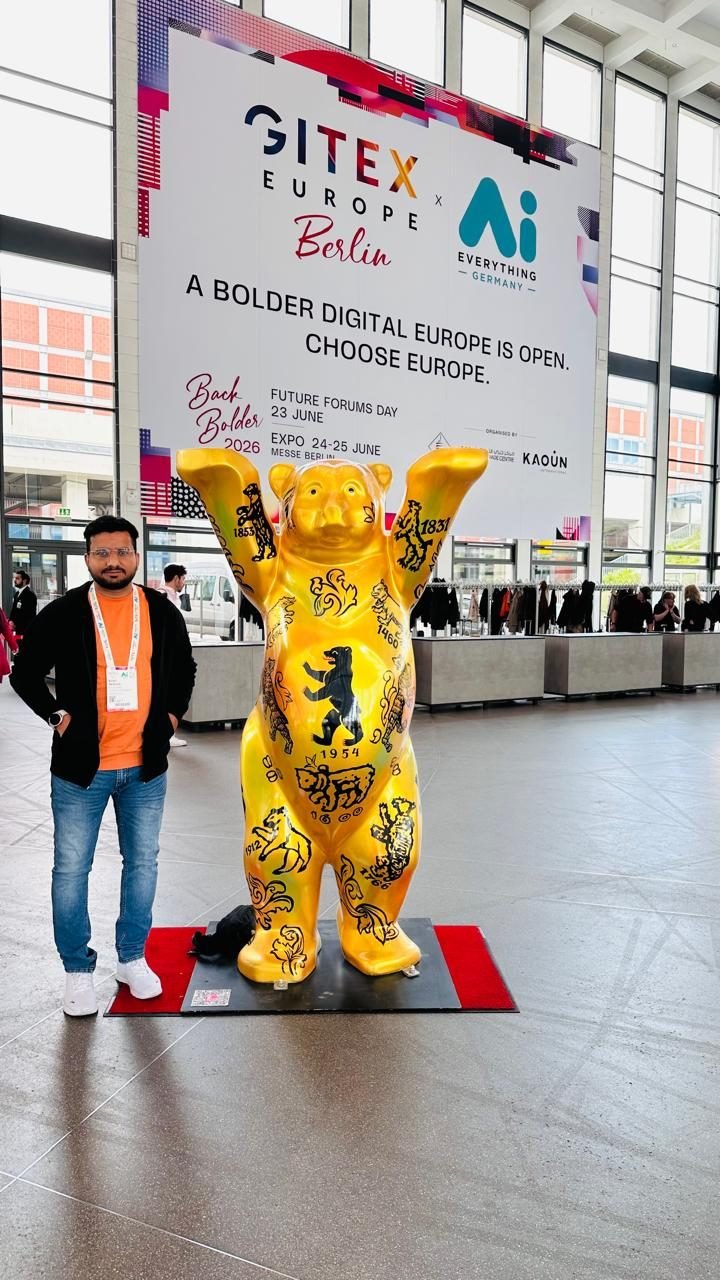
For anyone working in marketing, e-commerce, or AI, GITEX Europe 2025 wasn't just an event. It was a statement. The theme — "A Bolder Digital Europe Is Open. Choose Europe." — wasn't marketing copy. It was a positioning move. Europe is making a serious play to become a global hub for AI, digital infrastructure, and tech entrepreneurship, and Berlin was where that intention got loudest.
I came in to do what I always do at major events: track signals, not noise. What's being built? What's being funded? What's actually changing on the ground? Here's what I took back to my agency and clients.
1. AI Everything isn't a tagline. It's a structural shift.
The co-located Ai Everything Germany event made it clear: AI isn't a feature category anymore. It's the underlying infrastructure of every other category.
Marketing tools, e-commerce platforms, customer service systems, content production, data analysis — every booth I visited was either AI-native or AI-retrofitted. The conversation has moved past "should we use AI?" to "how do we use AI better than competitors who are using the same tools?"
That shift matters because it changes what "competitive advantage" means. When everyone has access to the same AI capabilities, the edge comes from strategy, judgment, and execution speed — not the tools themselves.
The agencies and brands winning right now aren't the ones using the most AI. They're the ones using AI to execute clearer thinking faster than their competition.
2. European e-commerce is in a different phase than US or UAE markets.
Walking the e-commerce halls, the contrast with Dubai and the US was striking. European e-commerce is more cautious, more privacy-focused, and more regulation-aware — but it's also building infrastructure that will pay off long-term.
Things I noticed:
- Privacy-first marketing tools — built around GDPR, but designed to work without third-party cookies entirely
- Cross-border commerce focus — selling across multiple EU countries with native language and currency handling
- Sustainability as positioning — not greenwashing, but actual operational changes consumers care about
- B2B platforms catching up to B2C — European B2B e-commerce is finally getting the user experience treatment retail brands have had for years
For brands targeting Europe from outside (UAE, USA, UK), this means strategy needs to be different. What works in the Gulf or US doesn't always translate. Europe wants more transparency, slower trust-building, and stronger local relevance.
3. The next wave of digital marketing is being built in public.
What surprised me most was how many of the new marketing tools I saw were being demoed openly — not behind NDAs or closed beta. Founders were showing live products, real data, real workflows.
This openness is a feature, not a bug. It means:
- Faster adoption cycles — agencies can integrate new tools in weeks, not quarters
- Real testing in public — products improve fast because feedback loops are tight
- Lower barriers for SMEs — small businesses can access enterprise-grade marketing tech
- Pressure on legacy platforms — established players have to evolve or lose ground quickly
For an agency owner, this is genuinely exciting. The marketing stack you build for clients in 2026 will look fundamentally different from 2024. Staying current isn't optional anymore — it's table stakes.
4. Berlin is positioning itself as Europe's AI capital.
The location wasn't accidental. Berlin has spent years quietly building infrastructure to support AI startups, digital nomads, and international tech businesses. Hosting GITEX Europe was a coming-out moment.
What Berlin is offering, and what struck me as significant:
- Lower operating costs than London, Paris, or Amsterdam
- A young, multilingual, internationally-minded talent pool
- Strong public funding for AI research and startup development
- Visa pathways specifically designed for entrepreneurs and skilled tech workers
- Cultural openness to experimentation that's increasingly rare in established markets
If you're a brand or business owner thinking about European expansion, Berlin deserves serious consideration as a launch base. Not just for the city itself, but for what it represents: the next generation of European business is being built with international ambition baked in from day one.
5. The biggest insight: events are where strategy becomes real.
Here's the meta-lesson from GITEX Europe — and one I keep coming back to.
You can read every newsletter, watch every webinar, follow every thought leader on LinkedIn. None of it gives you what three days on a trade show floor does: the texture, the energy, the weak signals you can only feel in person.
I came back from Berlin with:
- A clearer sense of what's about to break through — months before it shows up in industry reports
- Real conversations with builders — founders, product leads, agency operators all in one place
- New partnerships — that simply wouldn't have happened over Zoom
- Validation of strategic bets — and signals to drop the ones not working
For my agency, this is the kind of insight that compounds. Every client conversation in the months that follow is sharper because of three days on the ground.
What this means for businesses in UAE, USA, UK, CA & EU
If you're running a brand or agency right now, here's the practical version of everything I learned at GITEX Europe Berlin 2025:
- Adopt AI faster than your competitors. The tools are accessible. The judgment of how to use them is the competitive moat.
- If you're targeting Europe, build for European behavior. Privacy, transparency, and local relevance aren't optional.
- Stay close to the building edge. Tools and tactics that worked in 2024 won't all work in 2026. Make learning a system, not an accident.
- Consider Europe (especially Berlin) for expansion. Cost, talent, and ambition are aligning here in ways that didn't exist 5 years ago.
- Show up in person. The real opportunities are still found at events, not on screens.
GITEX Europe Berlin reinforced something I've believed for a while: the agencies and brands that win are the ones closest to where the future is being built. That's true whether the future is being built in Dubai, Seoul, or Berlin.
I left Berlin energized — and with a clearer view of where to invest my agency's focus over the next twelve months. The tools are changing. The markets are shifting. The opportunity for businesses willing to move fast and stay curious has rarely been bigger.
Want to talk about how AI, digital marketing, or e-commerce strategy can help your business scale across UAE, USA, UK, Canada, or Europe? I'd love to hear what you're working on.