Inside GITEX Europe Berlin 2025
What 40,000 attendees, 1,400 exhibitors, and Europe's biggest tech event taught me about the future of digital marketing, AI, and e-commerce.

Kashif Ibraheem
Marketing Agency Founder · Dubai, UAE
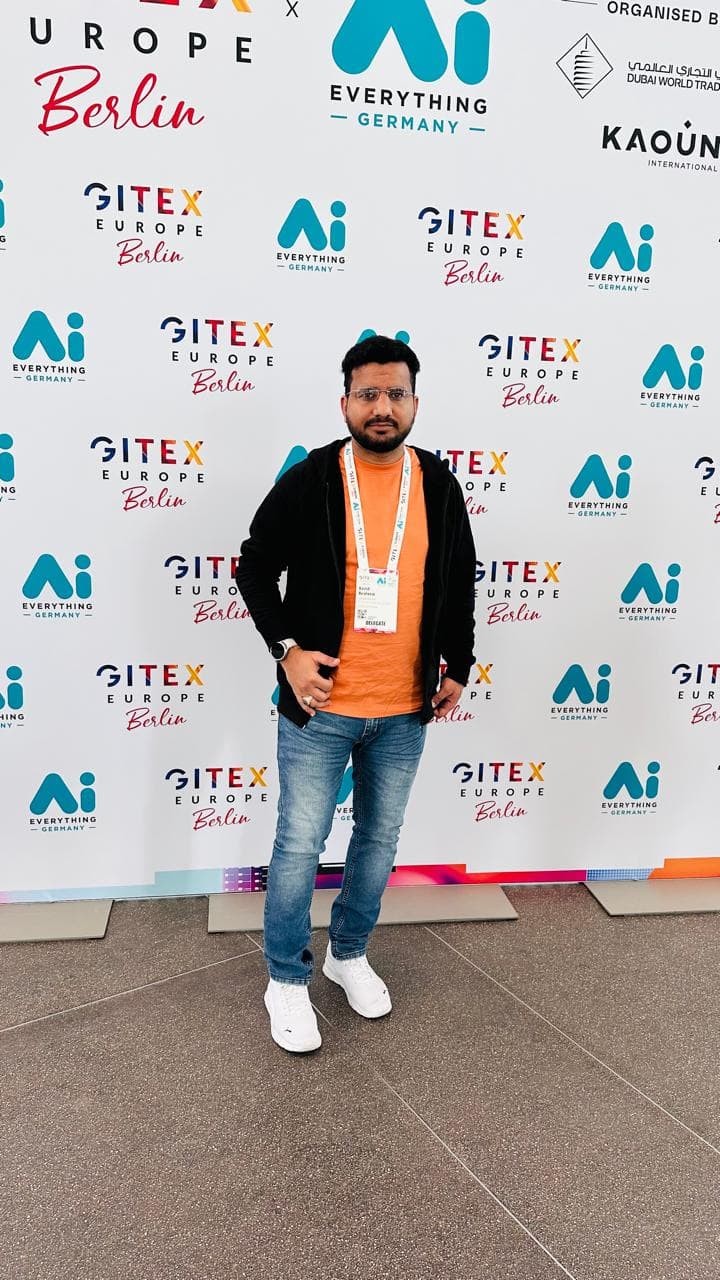
I've been to trade events before. But GITEX Europe Berlin 2025 was different — and I say that as someone who spends most of his time flying between Dubai, Seoul, and other markets trying to figure out where commerce is heading next.
This was the inaugural European edition of GITEX — one of the world's most recognized tech and digital trade events, born in Dubai and now planted firmly in the heart of Berlin. Messe Berlin. June 23–25. Three days, 40,000+ attendees, 1,400+ exhibitors. And an energy you could feel the second you walked through the doors.
Why I went
My agency works across markets — UAE, USA, UK, Canada, EU. For a long time, Europe has been on my radar as a growth market, but it's also one of the most fragmented. Different languages, different buyer behaviors, different platforms. GITEX Europe felt like the right room to be in — not just to learn, but to listen.
I went with a specific question in mind: Where does AI actually fit into real marketing and e-commerce operations — not the hype, but the practical application?
Three days later, I had my answer. And a few I wasn't expecting.
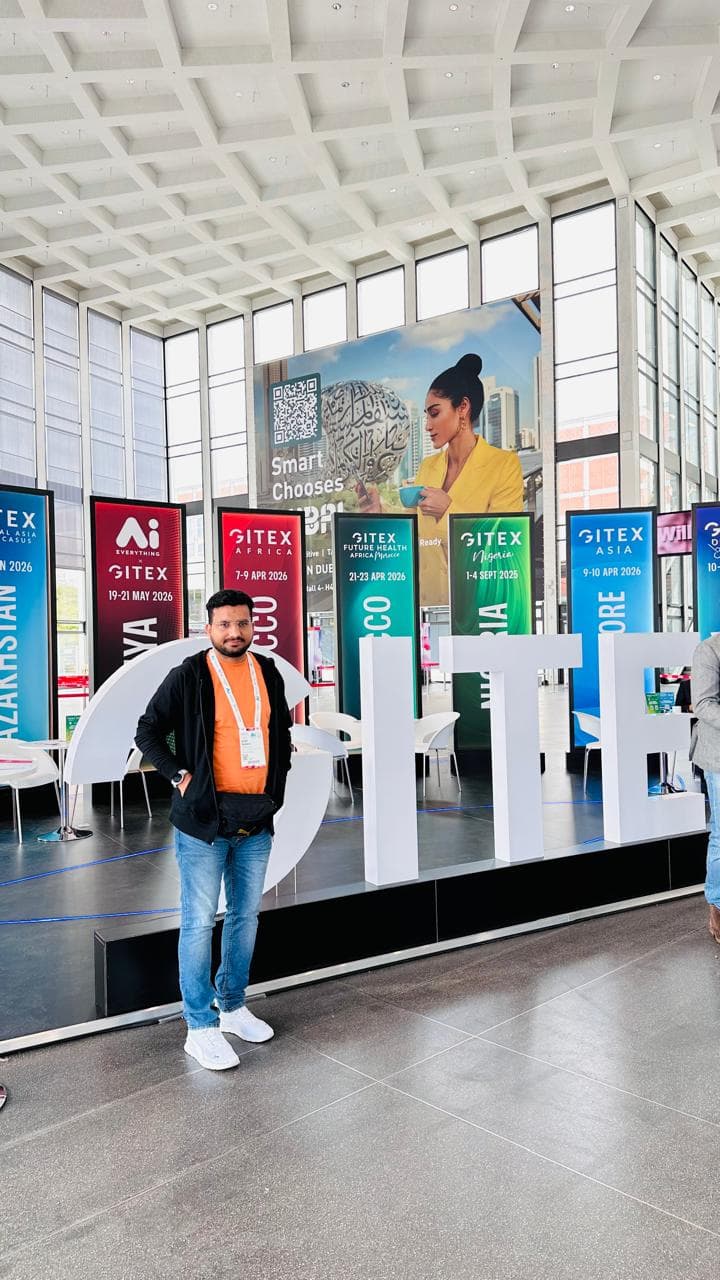
What the floor actually looked like
The exhibitor floor was split across multiple halls — AI infrastructure, cybersecurity, fintech, e-commerce, smart cities. What struck me immediately was how many of the companies showing weren't startups. These were mature businesses — many from the Middle East and Asia — using GITEX Europe as their entry point into EU markets.
That tells you something. Europe is open — but you need the right first impression to break into it. A trade presence at a credible event matters more than a LinkedIn post.
The AI marketing conversation everyone was having
Almost every panel, keynote, and side conversation eventually came back to the same thing: AI in marketing is no longer optional. But the businesses winning with it aren't the ones using every tool available. They're the ones who got very clear on where AI saves time, and where human judgment still drives the outcome.
The brands scaling fastest were using AI for content localization, ad testing at scale, and predictive inventory on the e-commerce side. They weren't replacing their marketing teams — they were shrinking the time between idea and execution.
That's the real shift. Not AI vs. humans. Speed vs. slowness.
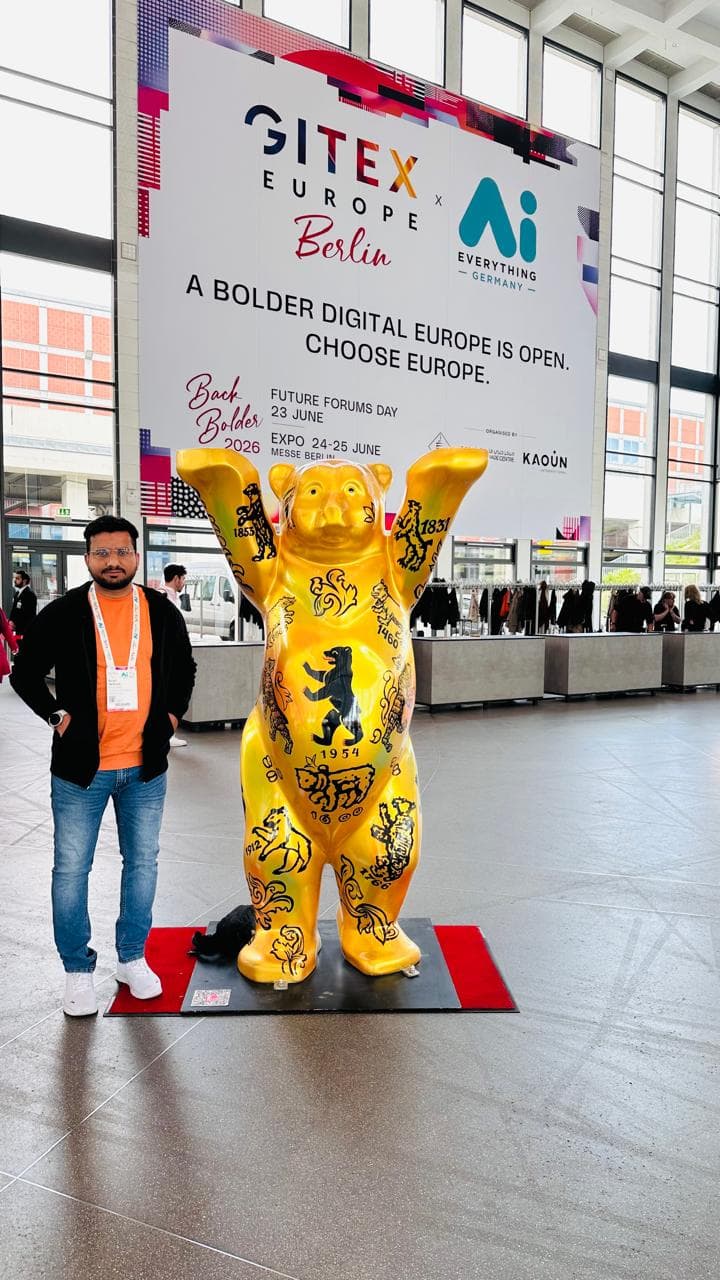
E-commerce across borders — harder than it looks
One thing GITEX Europe made very clear: cross-border e-commerce in Europe is a different game. VAT rules, consumer trust signals, return policies, payment preferences — it's not just about running your Amazon playbook and hoping it translates.
The businesses doing it well had invested in local credibility first. Reviews in local languages. Customer service with real response times. Partnerships with regional logistics players. The product came second.
For anyone thinking about expanding into EU markets — that's the lesson. Build trust before you build sales.
What I'm taking back
I came back from Berlin with three clear actions for my own work:
- Build AI into the content production pipeline — not to replace voice, but to increase output speed without diluting quality.
- Start building EU-specific case studies. European clients want to see European results. Not Dubai. Not USA. Them.
- Take cross-border e-commerce more seriously as a service line. The demand is real. Most businesses are still figuring it out.
GITEX Europe wasn't just a conference. It was a signal — that the world's best markets are converging, and the window to position yourself well is still open. But it won't be forever.
If you're building a brand, running stores, or scaling a marketing operation across borders — the next few years will define where you end up. I plan to be in the right rooms.
Kashif Ibraheem
Marketing Agency Founder based in Dubai, UAE. I build brands that generate leads, drive sales and scale globally across five markets.